All About THC,Canna Facts,Critical Illness & Cannabis,Health & Wellness,Illness,Medical Marijuana,Pain Management
THC for Cancer
THC for Cancer
Many physiological and pathological or “disease state” conditions involve the endocannabinoid system. These conditions include inflammation, diabetes, cardiac dysfunction, and cancer. Cannabis produces its therapeutic effects by activating the CB1 and CB2 receptors. THC targets the central nervous system, which is rich in CB1 receptors. CBD, on the other hand, targets CB2 receptors concentrated in the cells of the immune system.
Endocannabinoids themselves are endogenous (from inside the body) lipid signaling molecules. Lipids are fatty compounds that play an important role in cancer treatment. One of their cellular functions is to mediate the formation and secretion of exosomes which have been discovered to increase the growth rate of lung cancer cells. This, among other reasons, is why cannabinoids are often cited for their anti-cancer properties. In addition to cannabinoids, cannabis also contains terpenes and flavonoids that perform actions that actively fight tumors.
Specifically, there has been research that shows whole cannabis extracts are much more effective at impairing the survival and growth of cancer cells than pure THC. As a result, this research suggests that the combination of cannabinoids, terpenes, and flavonoids is what makes cannabis effective at fighting cancer.

Quick Links for More Info
Supporting Evidence of THC for Cancer
Multiple studies have explored the anti-cancerous benefits of cannabinoids like THC for cancer. Studies have also explored the medicinal use of specific terpenes like Caryophyllene, Limonene, and Mycrene.
Much of the literature from the biggest cancer organizations supports the narrative of traditional cancer treatments. For any oncology patient, the aggressiveness of traditional pharmaceuticals is overwhelming. As a result, medicinal THC for cancer is often prescribed for oncology patients to cope with the side effects, particularly malnutrition, nausea, and pain relief. The overwhelming anecdotal evidence from patients for the benefits of cannabis is stoking the acceleration of research in this area.
The existing research into the effect of cannabinoids to fight cancers and tumor growth is encouraging. Studies have shown that cannabinoids inhibit the rapid growth of breast and prostate cancer cells. Additionally, some terpenes and flavonoids have exhibited cytotoxicity against a variety of cancers. While these studies have only been conducted on animals, the results are encouraging and paving the way for clinical trials that have been underway in Israel.
THC for Cancer Types
Patients use THC to treat many different cancer types. Arguably, the most well-documented story of THC for cancer treatment occurred with Rick Simpson in 2003. Simpson, a Canadian engineer who was diagnosed with basal cell carcinoma, a type of skin cancer, was inspired to use cannabis treatment by a 1975 study. This study was the first to shine a light on the anti-tumor properties of cannabis in mouse lab testing, he created RSO and cured himself of cancer.
There is, unfortunately, no clinical evidence to scientifically prove that THC can cure patients of cancer. This lack of evidence is mainly due to continued speculation and legislation hurdles. However, online testimonials that have been independently verified by new media sources. As a result, medical records show that cannabis oil has been successful in treating several different cancers.
A British mother healed her grade 3 breast cancer with THC Full Extract Cannabis Oil treatment in March 2017. A Hollywood stuntman who was diagnosed with grade 4 colon cancer used THC cannabis oil to cure himself after experiencing pain caused by chemotherapy and radiation treatment. A 63-year-old grandfather in the UK cured his liver cancer in 2014, two years after being diagnosed, using only THC cannabis oil.
Testimonials from other patients have described their use of THC to treat:
- Brain cancer (glioblastoma)
- Lung cancer
- Bladder cancer
- Liver cancer
- Prostate cancer
- Anal cancer
- B-cell Lymphoma
- Skin cancer
Combining THC for Cancer with Conventional Treatments
It is important to identify the potential side effects of THC with prescribed pharmaceuticals before starting treatment. However, you can find a comprehensive list of drug interactions here but we would advise consulting with your doctor before commencing a course of THC for cancer treatment.
Precautions and Safety Measures
The benefits of THC is enhances is by the entourage effect using a high dosage protocol. For patients with high sensitivity to THC, this may lead to undesired effects and a very intense high.
Side effects of THC can include:
- Dry mouth
- Increased appetite
- Drowsiness
- Dizziness
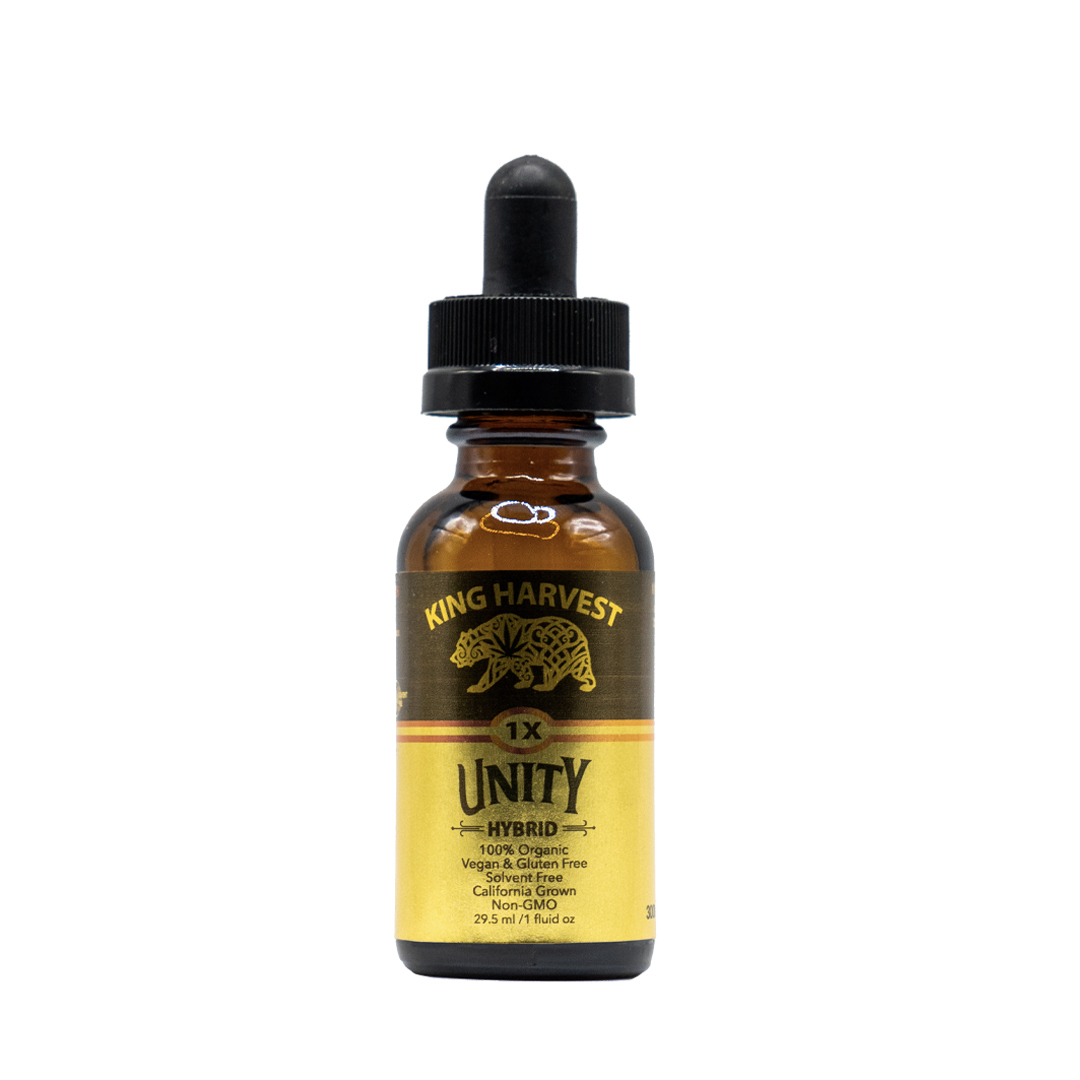
Alternative products like King Harvest Wellness’ CBD dominant FECO are available for patients with particularly high sensitivity to THC. Additionally, patients with a low THC tolerance are often recommended to try a suppository dosing method.
Any patient considering THC for cancer treatment should consult with medical professionals before commencing. Medical professionals will likely advise against the use of THC—as clinicians are still not convinced by the existing evidence-based data. However, is important that patients with other underlying physical or psychological conditions are educated on evidence-supported potential risks of consuming THC for cancer.
The Future of Medical Cannabis and THC for Cancer
The wave of current research into the viability of cannabis as an anticarcinogenic and tumor-growth inhibitor is paving the way for cannabis to fight cancer in years to come. As a result, there is growing evidence that is influencing a change in the status quo.
One example is a recent study that discovered a new potential breakthrough for ovarian cancer. It states “there is significant value in the development of these compounds as anti-cancer therapies in clinical practice as they do not produce the typical toxic side effects that exist with conventional therapies and recent clinical trials have shown their great tolerability by patients at high doses.”
THC use as an integrative medicine continues to evolve. Commonly, oncologist prescribe cannabis to manage side effects of chemotherapy and radiography. These include chemotherapy-induced nausea, vomiting, peripheral neuropathy, and alopecia.
There has also been a study into the use of cannabidiol (CBD) alongside conventional brain cancer treatments which resulted in a study in which patients using cannabis were more likely to respond to the treatment and have a longer life expectancy.
The significant barrier to cannabis research progress remains legislative. Now, much of the research into the use of THC for cancer treatment is centered around Europe and Israel where multiple tumor cell lines have been inhibited in vitro.
It is safe to say that the future is looking bright with THC for cancer treatment. Combining studies with anecdotal evidence from cancer patients using cannabis helps the interest in this research field to grow. Its also important to advocate for open-mindedness toward the amazing potential of cannabis and THC for cancer patients.
Share this article
Like, Follow, Share
A quick overview of the topics covered in this article.