Syringe vs Tincture vs Suppository: How to Think About the Choice
Syringes, tinctures, and suppositories each introduce cannabinoids into the body differently. Understanding those differences helps patients choose based on needs rather than trial-and-error.
How to Evaluate a FECO Delivery Method
Rather than asking which method is “best,” patients often benefit from asking:
- How quickly do I need effects to begin?
- How long do I need them to last?
- How sensitive am I to psychoactive effects?
- How predictable do I want the experience to be?
Medical guidance emphasizes matching delivery route to context—not escalating dose.
NIH NCCIH: Cannabis (Marijuana) and Cannabinoids
Syringes: Precision and Control
FECO syringes allow patients to dispense very small, measured amounts.
This level of control supports:
- Micro-adjustments
- Stable long-term routines
- Avoiding unnecessary escalation
- Clear tracking of response
Syringes are often chosen by patients who value predictability over convenience.
Tinctures: Flexibility and Convenience
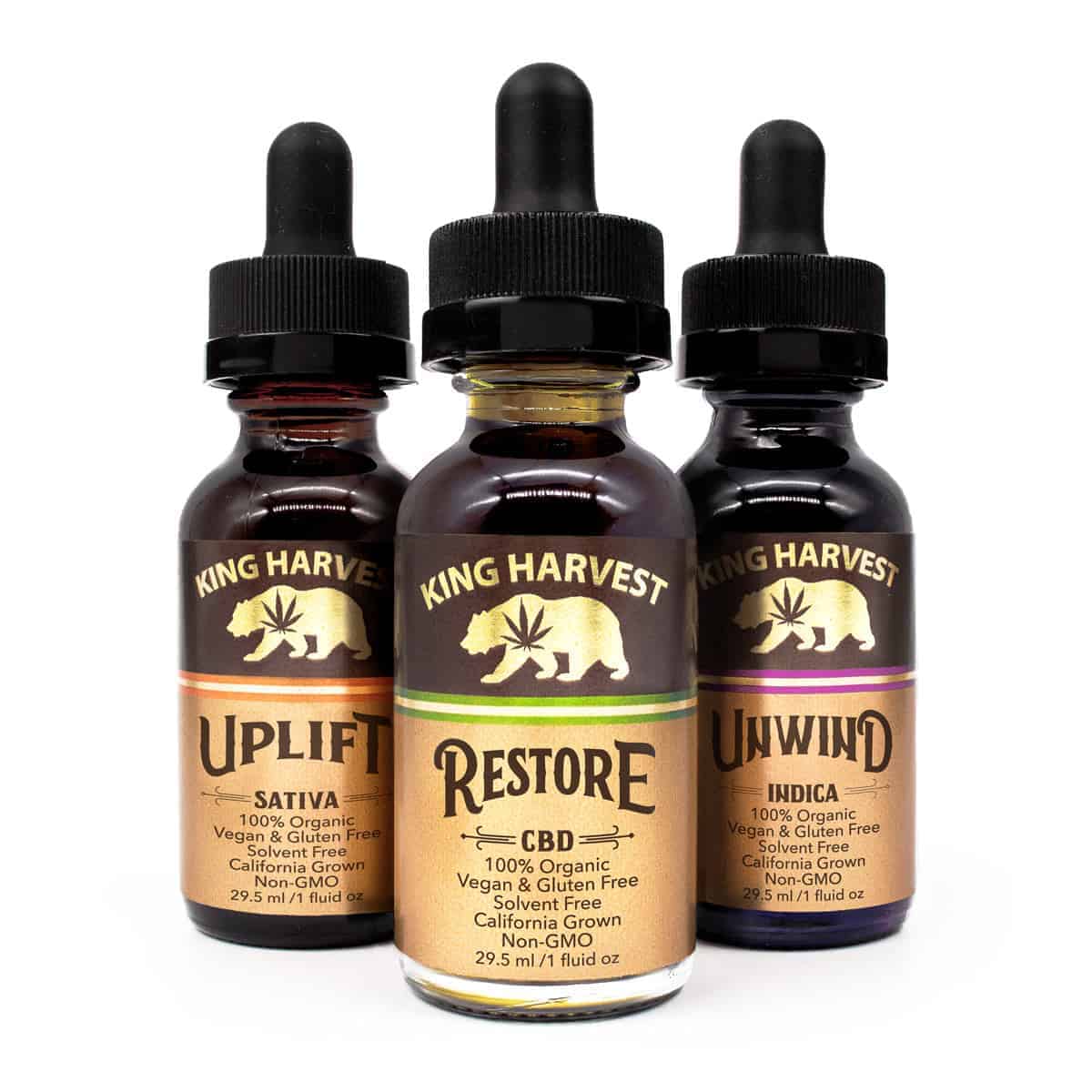
FECO tinctures can be used sublingually or swallowed, offering flexibility in how cannabinoids are absorbed.
Sublingual absorption may begin sooner than swallowed forms, while oral absorption tends to last longer.
Because absorption varies with technique and physiology, tinctures can feel less predictable for some patients.
Suppositories: Sustained Systemic Support
Rectal suppositories absorb cannabinoids through rectal mucosa, partially bypassing first-pass liver metabolism.
This route may produce sustained systemic exposure with reduced psychoactive effects for some patients.
Clinical research has explored rectal cannabinoid formulations in controlled settings, though responses vary by formulation and individual.
National Academies of Sciences: The Health Effects of Cannabis and Cannabinoids
How Psychoactivity Factors Into the Decision
Delivery route influences not only timing, but also how psychoactive effects are perceived.
Some patients report more “head” effects with oral routes and more body-focused effects with others, though this is not universal.
Sensitivity and tolerance play a larger role than the method alone.
Putting the Framework Together
In practice, many patients gravitate toward:
- Syringes for precision and consistency
- Tinctures for daytime flexibility
- Suppositories for sustained or non-oral support
The right choice is the one that fits life—not the one that sounds strongest.
Frequently Asked Questions
Which method works fastest?
Sublingual routes may begin sooner, but timing varies between individuals.
Which method lasts longest?
Oral and rectal routes often provide longer-lasting effects.
Which method minimizes psychoactivity?
Some patients report reduced psychoactivity with non-oral routes, but responses vary.
How should patients decide?
By considering timing needs, sensitivity, and daily responsibilities with professional input.
Medical Disclaimer: This content is for educational purposes only and does not constitute medical advice. Always consult a licensed healthcare professional before using cannabis-derived products.
By Marcus Hale, Wellness Educator focused on evidence-based, patient-centered medical cannabis education.
Share this article
Like, Follow, Share
A quick overview of the topics covered in this article.